We’re Hiring! Southeast Idaho Project Manager (Pocatello)

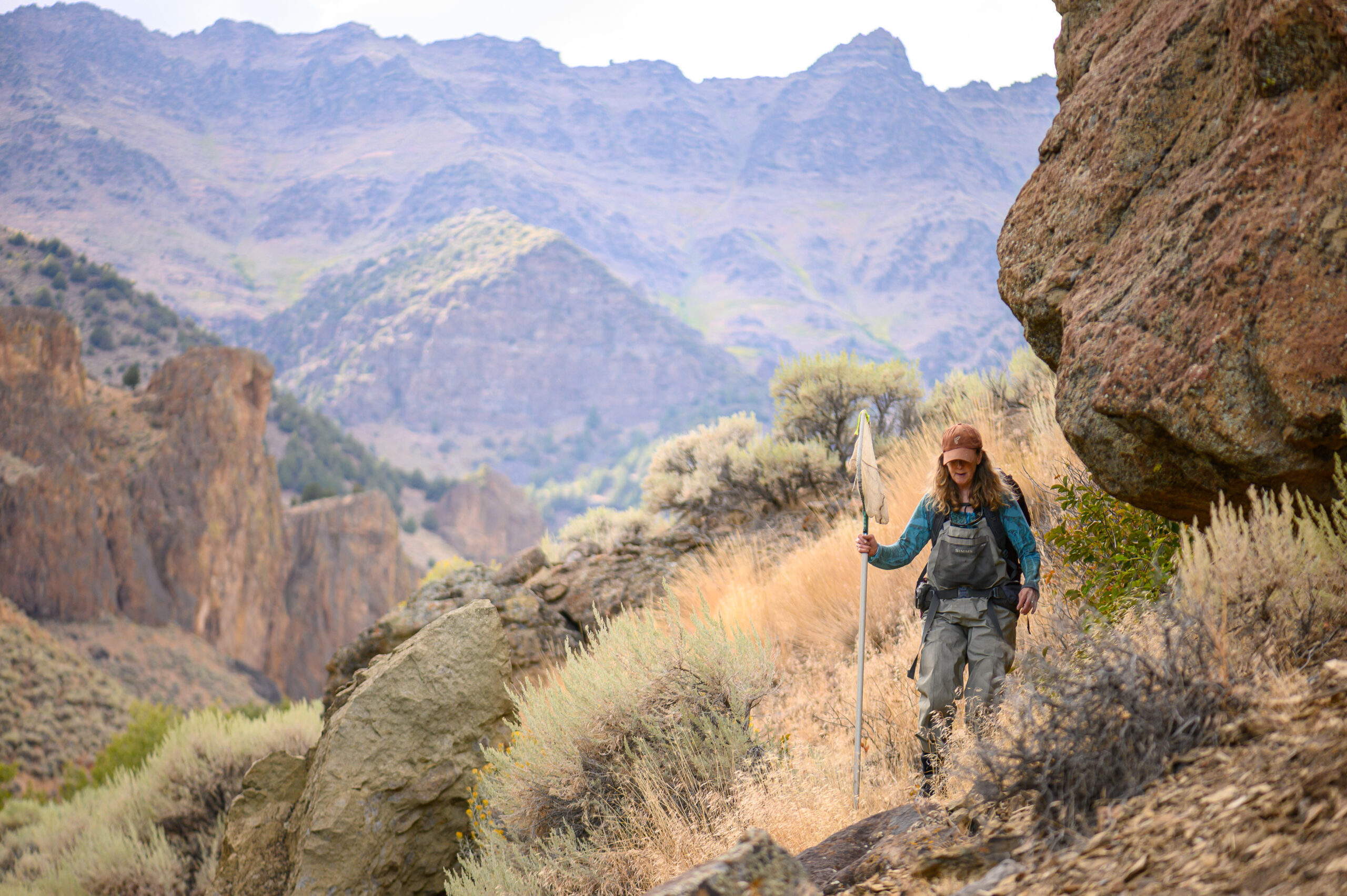
TU seeks to hire a highly motivated, self-directed, and capable person to identify, plan, and implement stream restoration and fish passage projects in the Portneuf, Blackfoot, and Willow subbasins in Southeast Idaho. The project manager will be responsible for working cooperatively with a variety of partners to complete ongoing restoration projects and develop new projects. The work will focus on reconnection, restoration, and protection activities for Yellowstone Cutthroat Trout and other native species. 

The position requires an individual who works well with diverse stakeholders, is action oriented, and can problem solve to accomplish restoration work. Competitive candidates for this position will have demonstrated experience with project management and technical abilities related to river restoration, fisheries, hydrology, ecology, working agriculture, and partnership-building. The Project Manager will be expected to coordinate projects from conception to completion and be a leader for habitat restoration and conservation in this area. The successful applicant will manage large grants and project budgets. They must have the ability to communicate effectively with a variety of stakeholders and audiences.

The Southeast Idaho Project Manager will report to TU’s Idaho Director.  This position requires frequent day travel and occasional overnight travel.  Preference is for the position to be based in or near Pocatello, Idaho, but may be negotiable for other parts of the service area.

Duties and Responsibilities

  • Plan and implement a suite of restoration projects working with land and water rights holders
  • Coordinate conservation efforts with federal, state, and local partners
  • Identify, develop, secure, and manage funding from a variety of sources
  • Hire and manage project engineering, consulting, and construction services
  • Obtain stream alteration permits and other project requirements
  • Construct priority habitat restoration, connectivity, and floodplain reconnection projects
  • Work with supervisor and other staff on program strategies, project priorities, and outreach and communications
  • Perform administrative duties including contracting, grant reporting, invoicing, and budget management
  • Collect, manage, and analyze fisheries, ecological, and hydrological data
  • Conduct pre- and post-project effectiveness monitoring
  • Work with TU grassroots members and other volunteers on restoration project activities
  • Complete field work in often remote and rugged settings
  • Attend, participate, and represent TU in meetings and on committees relevant to TU’s mission

This is not an all-inclusive list of duties and responsibilities.

Requirements
  • Bachelor’s degree in fisheries, hydrology, fluvial geomorphology or similar natural resources field with a preference for a master’s degree or higher.
  • A minimum of 5 years relevant experience
  • Knowledge of conservation, fisheries, ecology, hydrology, and watershed processes
  • Project and grant management skills
  • Grant writing experience and understanding of non-profit work
  • Ability to work constructively with a wide range of partners and personalities
  • Excellent written and oral communication skills
  • Fisheries research and analytic skills
  • Demonstrated organizational and problem-solving abilities
  • Ability to prioritize workload, to be highly motivated and self-directed
  • A passion for fisheries conservation and for protecting and restoring rivers and streams
  • Ability to travel and conduct fieldwork

Preferred

  • Understanding of whole-systems ecology and the foundations of restoration ecology
  • Knowledge of ranching practices and irrigation systems
  • Understanding of Trout Unlimited’s history and current organizational direction
  • Previous experience with media, outreach, and community engagement
  • Experience and knowledge with angling community

SALARY AND BENEFITS

Staff and leadership at TU understand that life outside of work is important to personal health, and we strive to create a healthy and family-friendly atmosphere. This is a full-time position with a generous benefits package. The approximate salary range is $55,000 to $60,000 annually, depending on relevant experience.

At TU, we value a diverse representation of staff, and we actively seek candidates for this position who come from communities that have been historically under-represented in conservation and those who have been most impacted by degraded rivers and streams. We are committed to building space for all people to participate in our work to care for trout and salmon and clean our shared waters.

We are proud to be an equal opportunity employer and welcome you to read more about TU’s equity practice and values.

HOW TO APPLY

Please provide a resume, cover letter, and list of three references to Trout Unlimited by means of our online job application system: https://recruiting.paylocity.com/Recruiting/Jobs/Details/1693849.

We will begin reviewing applications on May 22, 2023.  The position is open until filled.

Posted in Uncategorized | Leave a comment

Water Modeling in the Wood River Valley

The Wood River Water Collaborative (WRWC) represents approximately seventy-five diverse water users that came together at a critical juncture in the Big Wood basin’s history.  First established about eight years ago, this group was formed to ensure the long-term health of the Wood River watershed.  Trout Unlimited (TU), along with staff from The Nature Conservancy and the Wood River Land Trust, administers and facilitates the Collaborative.   

In 2019, on behalf of the WRWC, TU applied for, and was awarded, a US Bureau of Reclamation WaterSMART grant to help advance some of the WRWC’s priorities.  For example, several members of the Collaborative expressed the need for a predictive surface water model for the valley; a tool that would allow water users in the region to make planting and irrigation decisions early in the spring with some foreknowledge about the likelihood of water supply shortages.  With funding secured from the grant, we were able to contract with Boise State University Professor Kendra Kaiser to create this model and other related tools. 

Recently, Ashlynn Goody, TU’s Policy & Outreach Associate, sat down with Dr. Kaiser to learn more about her work for the WRWC and how it can benefit efforts to improve water management in the Wood River Valley.   
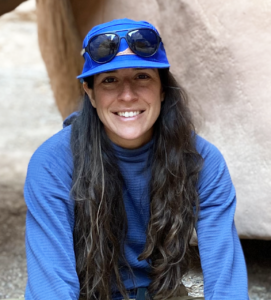
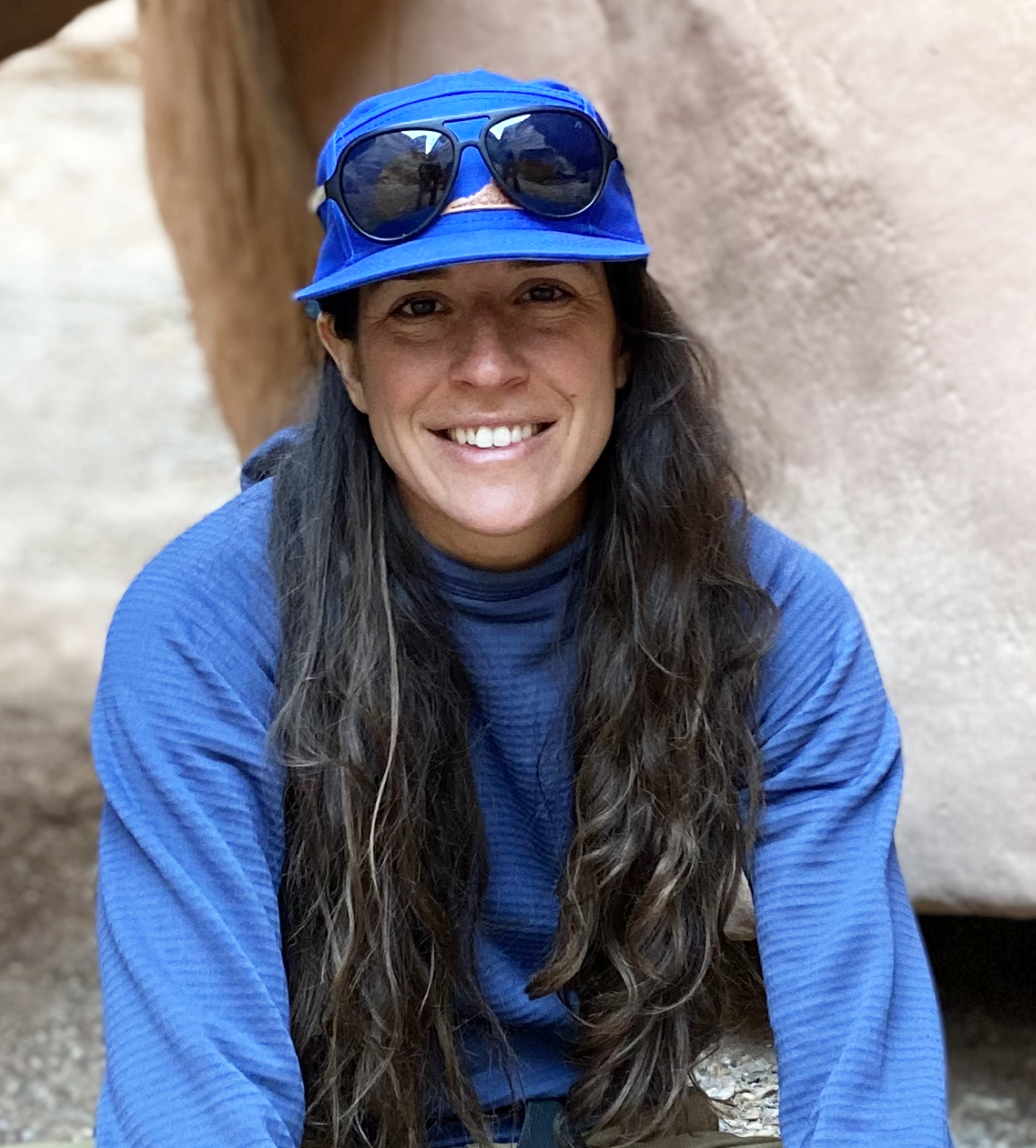
Dr. Kendra Kaiser

 What inspired you to work in water? 

At the age of 19, I moved to Montana to be a raft guide on the Yellowstone River. It didn’t take long for me to transfer to Montana State, where I continued my degree in Soil and Water Science & Environmental Biology. Every summer during college, I moved to a different river and guided, including the Payette River, north of Boise. It was my own personal tour of Western watersheds. One semester, I enrolled in a general water resources class; the professor shared really wild stories about water resources research. It fascinated me and I quickly realized how much my recreational activities aligned with hydrologic research. I wanted to make a career out of what I loved, and I knew it would be important work.  

What is the work you are doing for the WRWC? 

In the Wood River Valley, I am working with a range of stakeholders in the basin to create streamflow forecasting and data visualization tools to facilitate decision making. That can range from what an irrigator might plant, to how water management practices might impact water curtailment decisions. My work has been considered in the Big Wood River Ground Water Management Area Management Plan.  

Why is it important? 

At the end of the day, there are people whose livelihoods depend on water availability. Providing them with information that they can actually use and interpret to make time-sensitive decisions is vital to their success, and the community that they live in. 

There are also sensitive ecosystems, like Silver Creek that support important fisheries. The surface water predictability model will support those that seek to make decisions in advance instead of scrambling to try and figure things out as they unfold. 

The tools created for WRWC can improve management of surface and groundwater resources for both agricultural and conservation goals. 
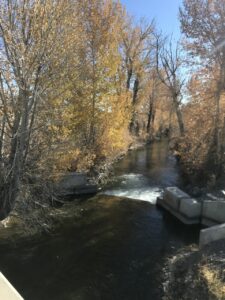
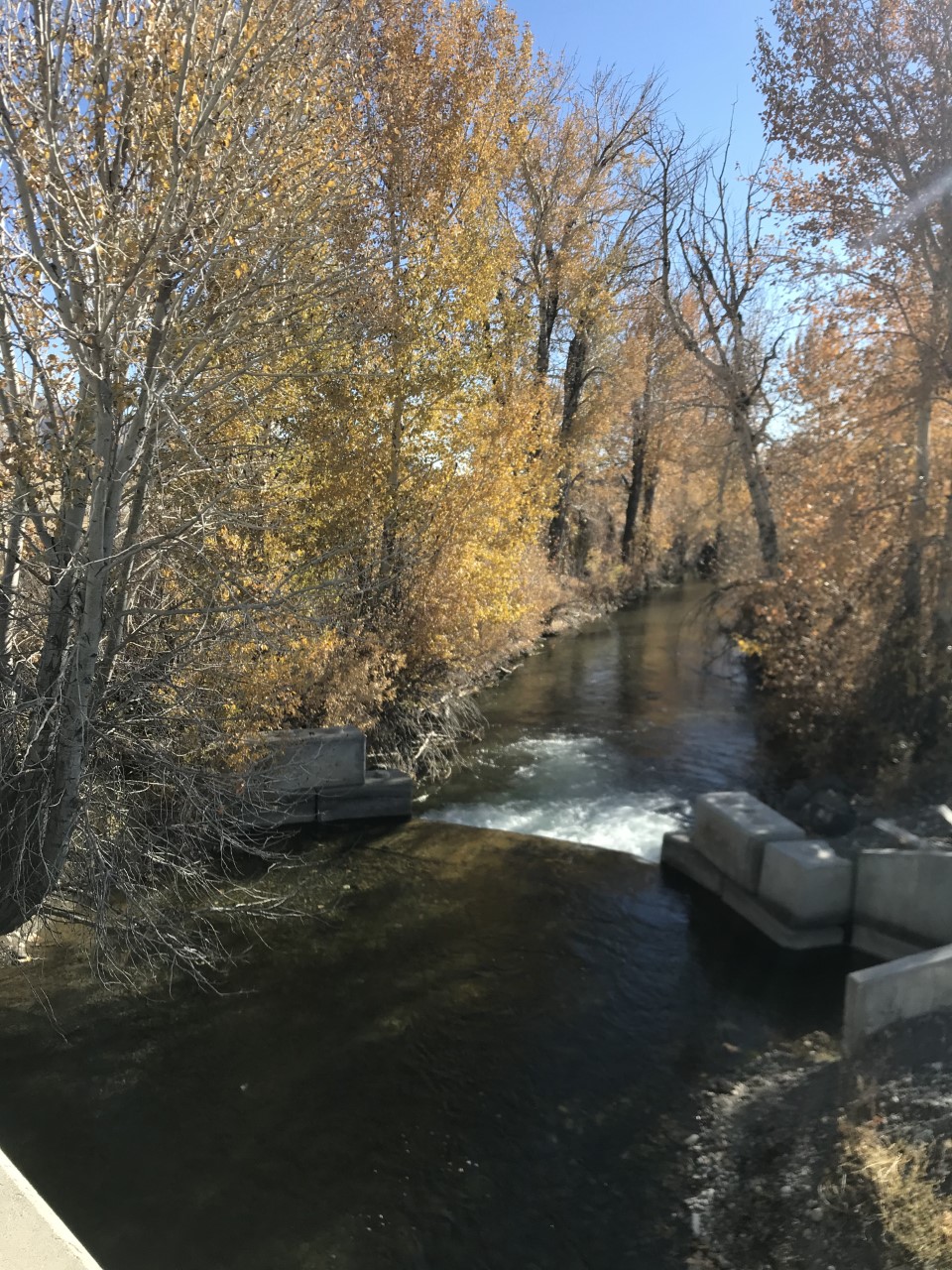
A canal next to the mainstem Big Wood River.

How did you first get started with working in the Big Wood? 

The WRWC placed an open request for proposals to complete a new project outlining the needs of the group and stakeholders. A friend of mine in town forwarded it to me, knowing that the request was aligned with my work at the university. 

I was so pumped because it was exactly what I was interested in doing. It [the model] can be applied and engages stakeholders. The WRWC is a pretty unique thing – especially for Idaho. The WRWC already had a stakeholder group formed and engaged; it had all the right people, and they were already coordinated together in one room. That got us ten steps ahead of most research happening this way.  
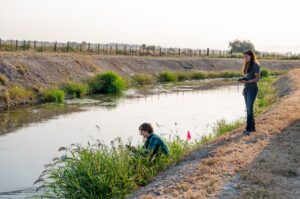
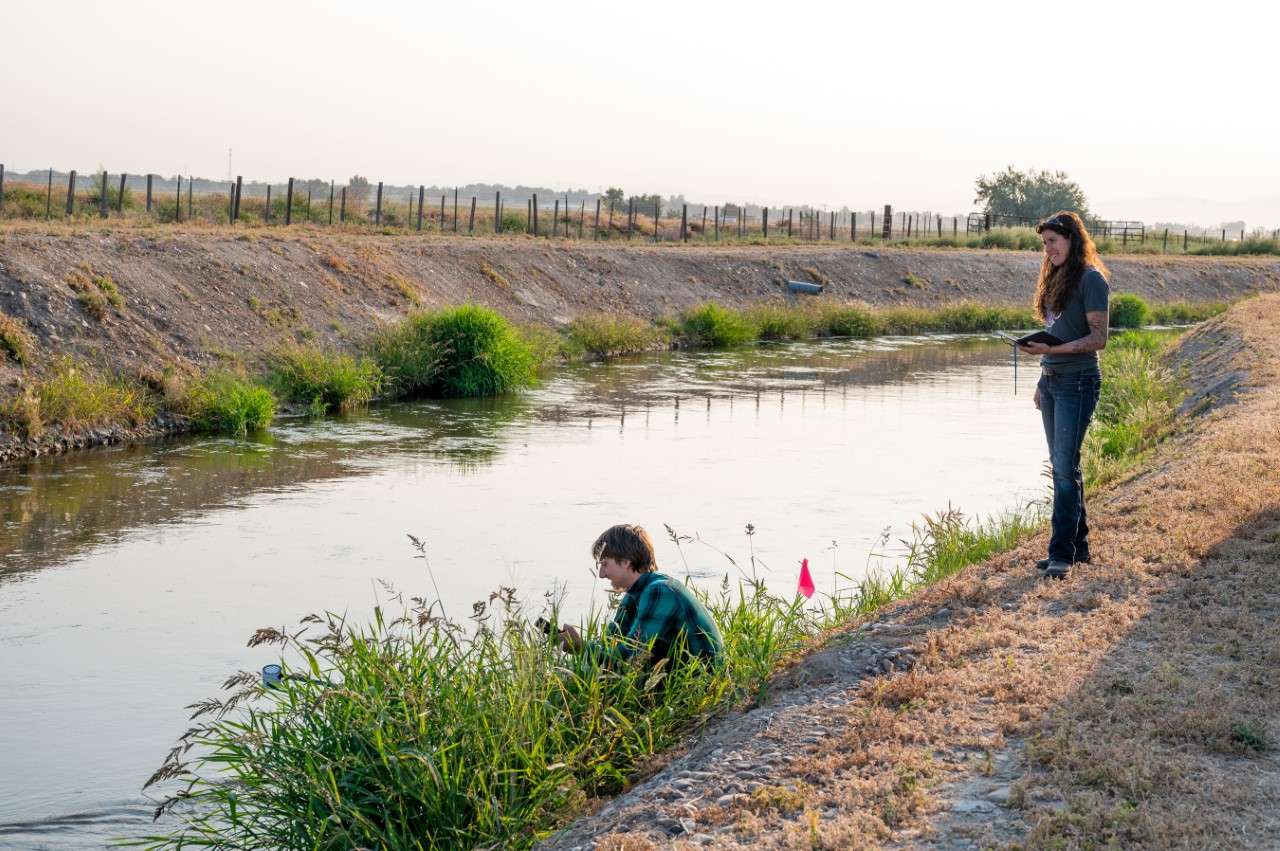
Water quality sampling with graduate student Reed Chasmar in the Treasure Valley 

What are the next steps? 

The work funded by the grant TU secured on behalf of the WRWC elegantly positioned Kendra to secure a much larger grant funded by the USDA that will improve the initial model. I’ll be working with additional partners and researchers to explore uncertainty in the model, which in turn, allows us to be more confident in the results. This next step will be to make the data available online, accessible virtually at any time, by anyone. Data access and confidence means that farmers and ranchers in the Big Wood Valley will be able to make real-time decisions without having to wait for me to run the model manually each month in the spring. We’ll also be able to expand our research to include spatially distributed snow data which will provide more accurate results.  

We’re going to expand the model to include water quality of Silver Creek too. This will help us determine what metrics and information are important to the health of Silver Creek, which is a uniquely different environment from the rest of the valley.  
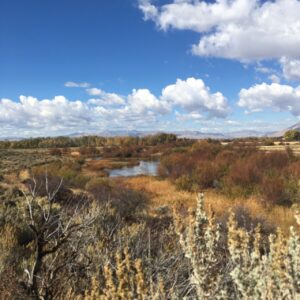
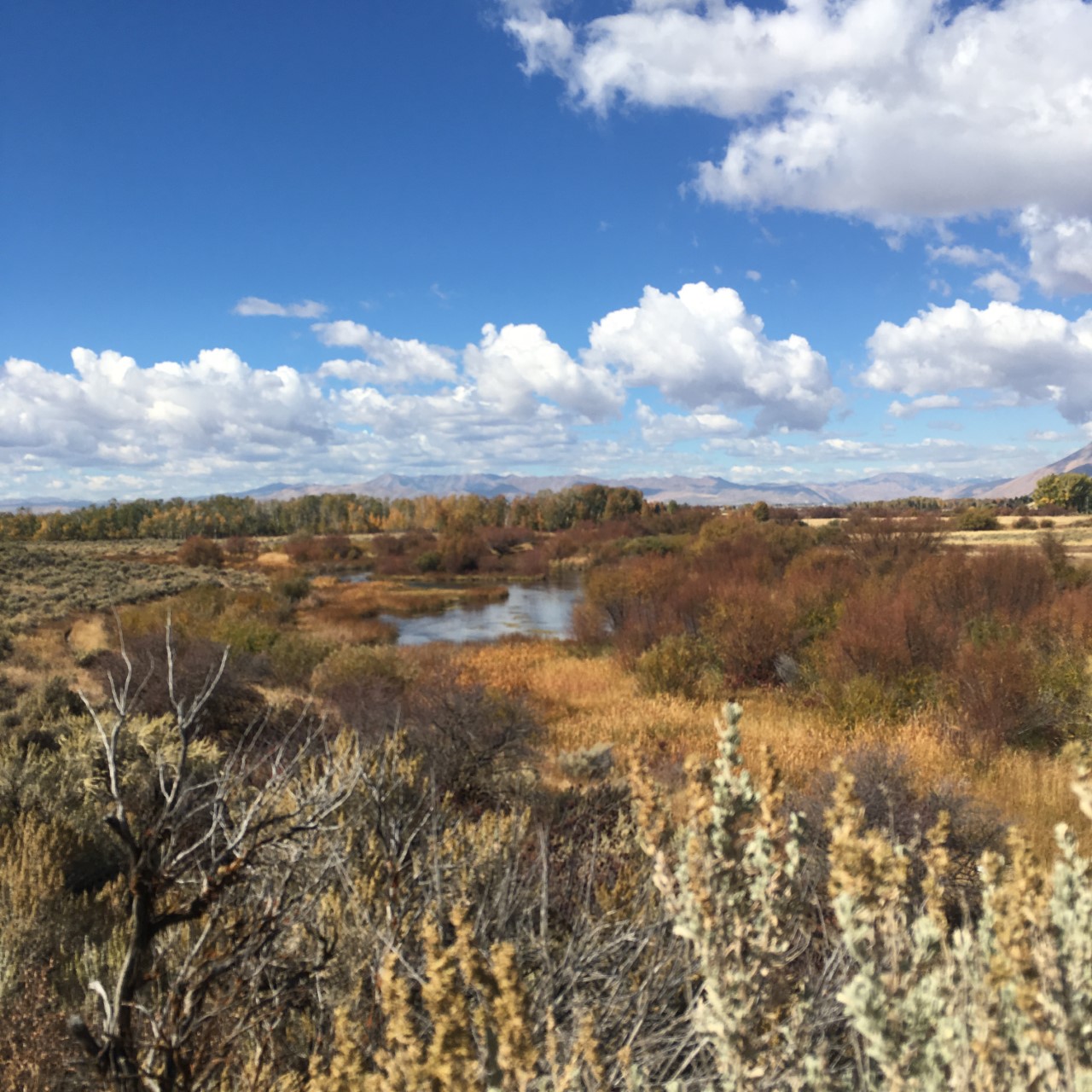
Silver Creek

How do you suggest others get involved in water work? 

Generally, I think the first thing every person should know is where their water comes from. Find out if you water your lawn with surface water from a local irrigation district or if you use city tap water to water. Many resources like this provide great context for how water rights in Idaho work. It also helps explain things like what an irrigation district is. 

Everyone should be curious about how water is used and ask questions to understand how we consume water and if that consumption is sustainable in the long run. Gain more knowledge about your local water resources and reach out to people with those questions; public hearings or opportunities to engage (like stakeholder advisory groups) are great ways to get involved.  

What do you like to do in your free time? 

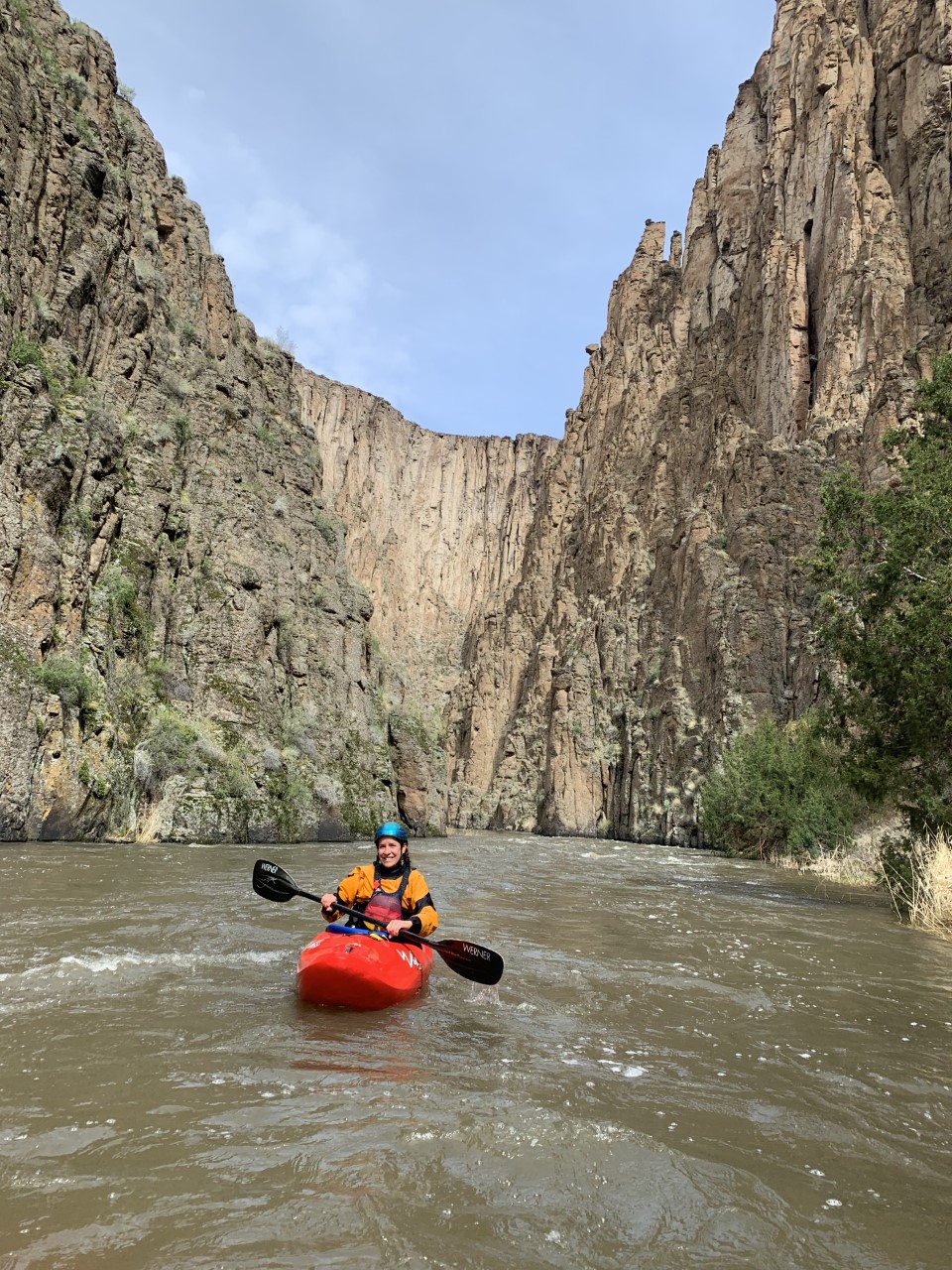
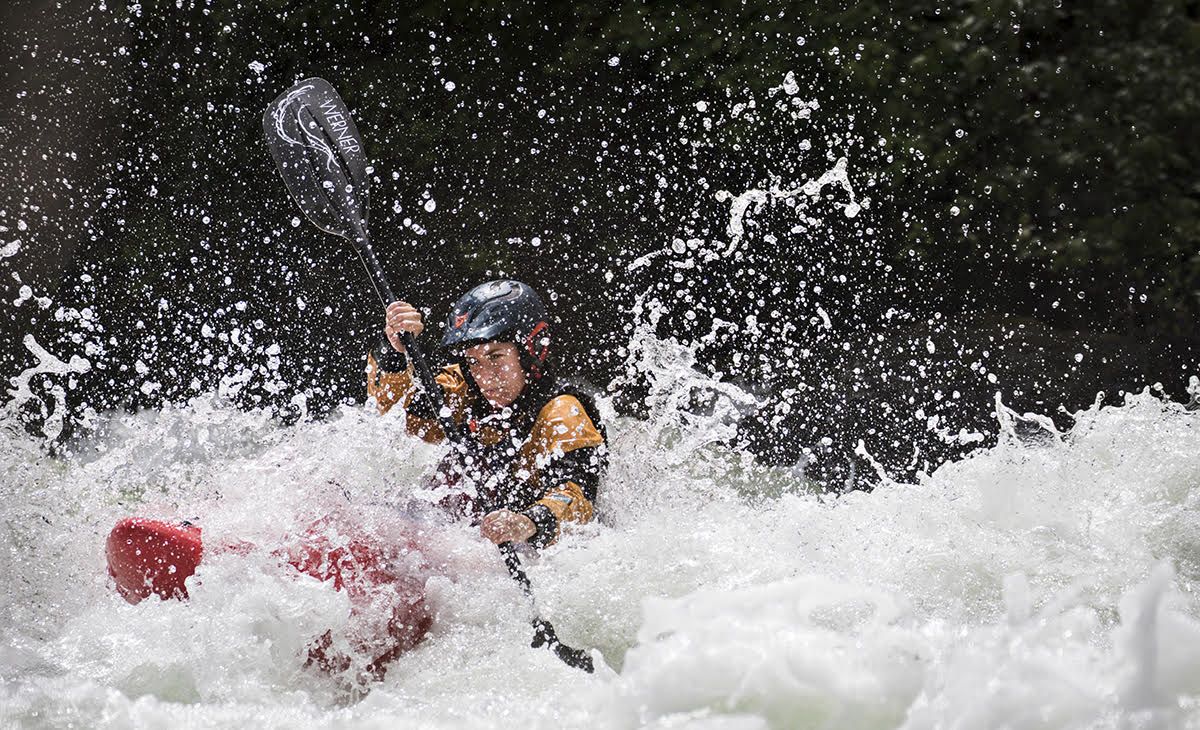
I enjoy anything outside, but largely time spent on the river. I’m a big kayaker, but I enjoy any form of river activities like surfing or tubing the Boise River, overnight raft trips, and many more outdoor activities in Idaho – it’s why I moved here in 2017 and choose to stay. 
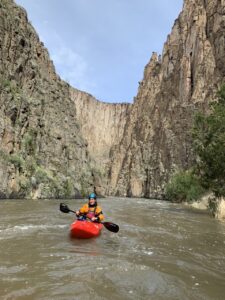
hiking/kayaking in Southern Idaho
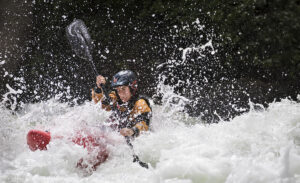
Kendra competed in the Expert Slalom event during the 44th annual Bigfork Whitewater Festival on a foamy section of the Swan River known as the “Wild Mile” on May 25, 2019. Hunter D’Antuono | Flathead Beacon


You can find out more about Dr. Kendra Kaiser below: 

https://www.boisestate.edu/earth/staff-members/kendra-kaiser/ 

http://www.kendrakaiser.com/  


Posted in Uncategorized | Leave a comment

Women in Water – Jo Ann Cole-Hansen

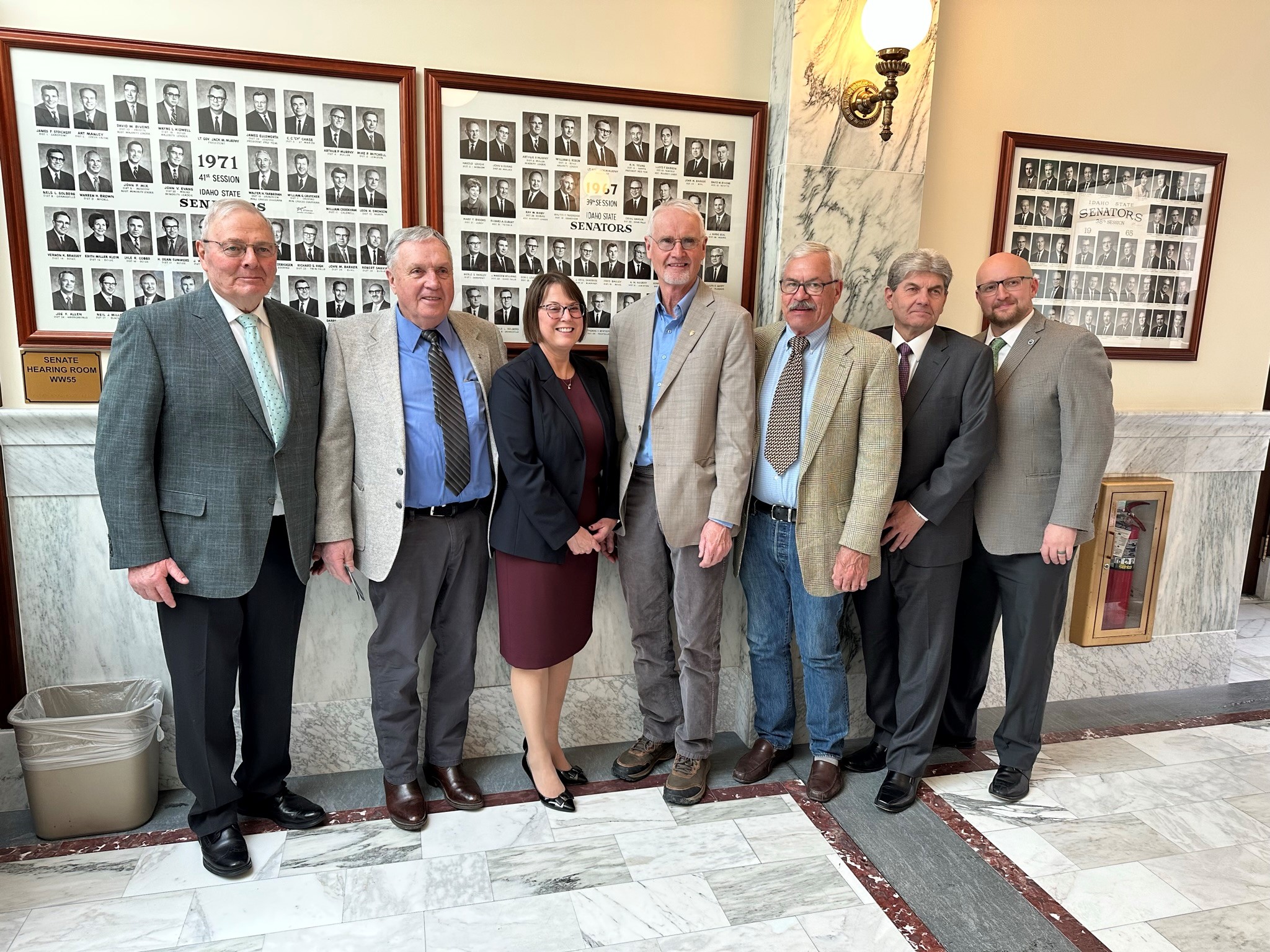
When you think of water in Idaho, your mind might go to great memories of your favorite stream or lake; for some, our mind wanders to the plans and programs designed to support water management in our hometowns and communities. For Jo Ann Cole-Hansen, a 5th generation Idahoan residing in North Central Idaho, it’s a mixture of both. Between swimming 2.2 miles in Lake Couer d’Alene for Iron Man and working for the Lewiston Orchards Irrigation District, Jo Ann thinks about water from many perspectives. Aside from work and play, Jo Ann also serves on an eight-member board, known as the Idaho Water Resources Board. Each member is appointed by the governor. The Board is designated to carry out our state’s water plan, financial support, and operations for sustainable management practices for farmers, ranchers, and residents throughout all of Idaho.  

Like many Idahoans, Jo Ann wasn’t entirely familiar with the water board in her everyday life. She was approached to join in 2018 and was instantly intrigued.  Water is used differently in north-central Idaho than in other parts of the state.  She understood that coming onto this board meant facing challenges in many facets. With our ever-growing population and the complexities that our state is at the forefront of facing, we need passionate and knowledgeable people to pursue resource management in a way that recognizes generations prior and generations to come.  Jo Ann puts it effectively by saying “I’m hopeful that I can bring a different perspective”.  

By law, the Board is selected based on four-year terms, with varying political parties, in larger part to ensure that the group can continuously bring different perspectives to issues facing water in Idaho. Jo Ann reminds us that something important to remember is that in issues of water management, it is not specific to gender, race, or age; water is used by everyone, every day. Women, men, political parties, recreationists, old, young, and new bring different perspectives to the issues we face together.  

I asked Jo Ann about her most memorable day on the Board, she smiled and thought about this: another board member started one of our meetings by reading a passage he saw referenced on a license plate: Psalm 65:9.  The basis was that we each remain good stewards of the resources available to us and our communities, It was so unexpected yet, pertinent to the discussions we consistently face around water, and it shows the depth of passion for managing water resources that, Jo Ann feels, all of the current board members possess. It was so relevant to our conversations and the work we do on the Board that it created a lasting impression on Jo Ann that day. 

Idahoans can empower their communities by being involved, says Jo Ann. That might not be water for you, but she encourages you to find time for the important things in your community. She finishes by saying “We need different people with different voices to have well thought out perspectives and collaboration”. How do you think about water in your everyday life? 

Written by Ashlynn Goody, Policy and Outreach Associate for Trout Unlimited based out of Bosie, Idaho.

Posted in Uncategorized | Comments Off on Women in Water – Jo Ann Cole-Hansen

We’re Hiring! – North Idaho Waterways Project Manager

Description

TU seeks to hire a highly self-motivated, self-directed and conservation driven person to identify, plan, and implement fish passage and stream restoration projects to benefit salmonids on North Idaho waterways, with focal areas in the St. Joe, St. Maries’ and Coeur d’Alene basins. The project manager will be responsible for working cooperatively with partners to develop new and help complete ongoing restoration projects. This work will focus on restoration activities that improve habitat for local cold-water fisheries. The position requires an individual who is self-motivated, action oriented, collaborative with diverse personalities, and has hopeful ideals about accomplishing great work.

Competitive candidates for this position will need to demonstrate strong project management skills and technical abilities related to aquatic ecology, river restoration and partnership-building. Previous knowledge of fisheries, hydrology, ecology, fluvial geomorphology and mining processes will benefit the candidate. Public outreach and involvement in local planning efforts will also be key to the success of this position. The successful applicant will work with TU staff and stakeholders to secure additional funding for project activities and to cover core operational costs to sustain the program in future years. The Project Manager will be expected to manage projects from conception to completion and be a leader in working on project-oriented habitat restoration and conservation.

The Project Manager will report to the Coeur d’Alene Project Manager.  This position will likely be based out of Sandpoint or Coeur d’Alene. This position requires frequent day travel and occasional overnight travel. 

DUTIES AND RESPONSIBILITIES

  • Plan and implement a suite of restoration projects
  • Identify projects, secure funding, and develop plans for implementation of the projects. 
  • Construct priority habitat restoration, connectivity, and floodplain reconnection projects
  • Work with supervisor and other staff on program strategies and project priorities
  • Maintain clear and frequent communications about projects with restoration partners
  • Support local outreach and education efforts related to water quality, fisheries and watershed restoration
  • Secure services of and oversee restoration design engineers and contractors
  • Perform administrative duties including contracting, grant reporting, invoicing, and budget management
  • Collect, manage, and analyze ecological and hydrological data
  • Conduct pre- and post-project effectiveness monitoring
  • Where it is incorporated into project design and implementation, work with TU grassroots members and other volunteers on restoration project activities
  • Spend portions of the field season working in remote field settings
  • Attend, participate, and represent TU in meetings relevant to TU’s mission

This is not an all-inclusive list of duties and responsibilities.

Requirements

  • A minimum of 5 years relevant experience (school, work, training)
  • Experience with restoration techniques, project management, and complex multi-party negotiations is essential
  • Knowledge of conservation, fisheries, ecology, hydrology, and watershed processes
  • Project and grant management skills
  • Grant writing experience and understanding of non-profit work
  • Superior interpersonal skills and ability to work constructively with a wide range of partners and personalities
  • Excellent written and oral communication skills, as well as first rate research and analytic skills
  • Demonstrated organizational and problem-solving abilities
  • Ability to prioritize workload, to be highly motivated and self-directed
  • A passion for fisheries conservation and for protecting and restoring rivers and streams
  • Ability to travel overnight

Preferred

  • Experience and/or familiarity with trout restoration projects and funding sources
  • Understanding of whole-systems ecology and the foundations of restoration ecology
  • Understanding of Trout Unlimited’s history and current organizational direction
  • Previous experience with media and outreach
  • Experience with community outreach and engagement, including ecological education
  • Passion for educating people of all ages about land stewardship and conservation
  • Familiarity with fluvial geomorphological processes, local riparian vegetation and mining remediation

SALARY AND BENEFITS

Staff and leadership at TU understand that life outside of work is important to personal health, and we strive to create a healthy and family-friendly atmosphere. The independent nature of the work allows for scheduling flexibility. This is a full-time position with a generous benefits package. The approximate salary range is $50,000 to $55,000 annually, depending on relevant experience.

At TU, we value a diverse representation of staff, and we actively seek candidates for this position who come from communities that have been historically under-represented in conservation and those who have been most impacted by degraded rivers and streams. We are committed to building space for all people to participate in our work to care for trout and salmon and enhance our shared waters. We are proud to be an equal opportunity employer and welcome you to read more about TU’s equity practice and values https://www.tu.org/equity/.

HOW TO APPLY

Please send a resume (no more than 2 pages and not a C.V.); a cover letter; a writing sample that represents your professional skills; and the names and contact information for three references through our application management system (https://recruiting.paylocity.com/Recruiting/Jobs/Details/1604270). We will begin reviewing applications on April 15th, 2023.  The position is open until filled.

Posted in Uncategorized | Comments Off on We’re Hiring! – North Idaho Waterways Project Manager

Women’s History Month – Senior Scientist Helen Neville

Dr. Helen Neville is a scientist who has been inspiring decision making here at Trout Unlimited for over sixteen years. She grew up with both of her parents working in the medical field as doctors; Helen started out at university as a pre-med student, looking to follow in her parents’ footsteps. One day, during casual conversation about life, as one typically questions during their undergrad years, Helen’s mom pointed out how much Helen really thrived in the outdoors and how much she would light up being in nature. Her mom encouraged her to follow her passion and curiosity through her own lens, to find the path that would carry her through her working life.  

Once Helen found this path, she never looked back.  Helen was encapsulated in the fact that conservation and humanity are intertwined. Ultimately, as she progressed in graduate school, she uncovered an interest in conservation genetics.  Her work ultimately focused on understanding how landscapes and human impacts affect the genetics of trout and salmon. “Genetics is all about how we interact with the world around us” says Helen. In trout specifically, she finds that they have such interesting life histories; it changes as they respond to their environments. In an article written for TU national, Helen’s work is summed up as understanding the current ‘health’ of populations and what they need in terms of management: information about movement, population size, population stability, and hybridization with non-native trout.  

However, her work is much more than that. When asked about some of her most meaningful work at TU, she emphasized “Working with the climate change working group, which started in 2013. We’ve made a lot of progress and awareness of climate change. We have great outreach and ways to advocate and engage.” She also dials off an impressive list of internal changes and opportunities that she has helped create – bridging the gap between science and policy, two of TU’s foundational columns of support.  

As Women’s History Month comes to a close, we want to applaud Helen and encourage the next generation to be inspired by her work in Science. Helen says one cool thing about getting involved in STEM these days is that there are so many different opportunities for community science projects available. She encourages youth interested in STEM to get on social media (including TU’s!) or search around in your own community to explore your interests and find opportunities to try it out. We all know scientists: think about your teachers, neighbors, or family friends and reach out to them and start a conversation. They’ll know a great place to start opening the doors to your interests.  

Written by Ashlynn Goody, Policy & Outreach Associate for Idaho Trout Unlimited based in Boise, Idaho. 

Posted in Uncategorized | Comments Off on Women’s History Month – Senior Scientist Helen Neville

Women’s History Month – A local highlight

March is Women’s History Month; a month that highlights the contributions of women to our communities, organizations, and missions. We take this time in early spring to celebrate women who uplift, encourage, and help empower those within our localities. While there are many women who push the envelope forward, Jane McKevitt of the Ted Trueblood Trout Unlimited Chapter in Boise, Idaho embodies the spirit of contribution to her community.  

Jane is an Idaho native, born in Moscow and grew up in Boise. Jane was an educator for 33 years; she spent her career teaching in elementary education. She found pure joy in transitioning into educating children on the outdoors and the environment. Working with kids and inspiring and leading youth has always been a core value Jane has embodied.  

Jane began her TU involvement six years ago when a fellow friend and TU board member persuaded Jane to get involved in a new youth fishing club that they were launching called Woolly Buggers. Jane jumped in with both feet, working hard to co-develop this program. Together, with a team of others, Jane has helped support and grow Woolly Buggers to the respected program it is today. Jane also became involved with Trout Camp for kids as a gillie (volunteer) and is now the registrar and a key member of the camp planning committee. Eventually, Jane became a board member for the chapter as well. As a board member, Jane helps plan and execute monthly programs, local events and fundraisers; she continues to help coordinate and run youth programs, and she brings a spark to each idea and meeting.  

When asked how others should empower their communities in the same way Jane has, her response was “Be open minded and keep your ideas fluid – brainstorm with others– throwing ideas out leads to  the ‘next level’ idea that fosters an achievable goal. Make it accessible for people to succeed with you, even if it’s one little piece of the puzzle. The bottom line is that personal outreach, growing relationships and gratitude are key” 

TU is very lucky to have Jane as an extraordinary volunteer. She highlights our mission of bringing together diverse interests to care for and recover rivers and streams so our children can experience the joy of wild and native trout and salmon. 

Written by Ashlynn Goody, Policy & Outreach Associate for Idaho Trout Unlimited based in Boise, Idaho.

Posted in Uncategorized | Comments Off on Women’s History Month – A local highlight

We’re Hiring!

TU Idaho is growing. We’ve opened the doors to three positions listed below. Make sure to check out each job posting and share with folks who are looking or that might be a good fit!

Upper Salmon Basin Project Manager: https://recruiting.paylocity.com/Recruiting/Jobs/Details/1464190

The deadline to apply is 2/27. 

South Fork Boise River Watershed Managerhttps://recruiting.paylocity.com/Recruiting/Jobs/Details/1530018

The deadline to apply is 3/8.

TU Science has summer intern applications available here: https://recruiting.paylocity.com/Recruiting/Jobs/Details/1527734

Posted in Uncategorized | Comments Off on We’re Hiring!

The Confluence Project: 

Where North Idaho Students Get into Water! 

North Idaho is wet! Everything about living in North Idaho pretty much revolves around this fact. We ski, we boat the big lakes, we fish, and we build structures being mindful of water and its power, or we pay the consequences for not doing so. Learning about how the local hydrologic cycle works, and about the quality of our ground and surface waters is key to building understanding of how to protect this precious resource that is a rarity in the western US.  

The Confluence Project (TCP) is a University of Idaho housed, year-long water science program for high schoolers in the Coeur d’Alene region of Idaho. This program pairs scientific experts with high school students to collaborate with hands-on experience, field data collection and higher education degrees in the natural sciences. “TCP helps our teens think about how water works locally, what challenges face our waters and brainstorm ways to help surmount these challenges” according to Erin Plue, TU’s Coeur d’Alene Project Manager.  

TCP is a partnership of local entities including The University of Idaho, The Coeur d’Alene Tribe, Idaho Department of Environmental Quality, Panhandle Health District, Trout Unlimited and IdaH2O. Each fall several high school science teachers commit a group of students to a year of curriculum, three field excursions and a final Youth Water Summit. The field excursions focus on water quality, snow science and groundwater. The Youth Water Summit is a presentation of a cumulation of all the lessons of the past year. In the spring students design and complete a research project that is focused on trying to solve a real-world water-based problem; students design a poster and present their projects to a team of voluntary judges. Over 100 water science professionals partake in the judging event!  

Erin Plue stated that “Before I worked for TU, I helped a teacher with her classroom’s development of TCP projects. During that year, I really saw how life-changing the TCP program can be for students. The projects give students an opportunity to try to solve real-world problems. For some kids this is the first time that schooling has been applicable to real life, and that experience can be life changing!” The TCP program requires a lot of dedication and work from many local people, but this effort creates a confluence between our youth and our waters…two of the most precious of resources around. 

Written by Erin Plue, Coeur d’Alene Project Manager for Trout Unlimited based in Coeur d’Alene, Idaho.

Posted in Uncategorized | Comments Off on The Confluence Project: 

TU River of No Return Chapter Volunteers to Help Improve the Health of Hayden Creek 

Hayden Creek, located near Tendoy, Idaho is one of the most productive tributaries of the Lemhi River.  It contains up to 40% of spawning Chinook Salmon in the Lemhi River basin each year along with populations of Steelhead and Bull Trout.  Despite the high percentage of Chinook that make the journey up Hayden Creek to spawn, there are still many issues that impact native fish habitat including fast moving water without much shelter or cover for juvenile fish. 

Working with local partners and landowners, TU project manager Matt Green started construction work in the summer of 2021 to improve fish habitat by adding anchored wood structures and boulder fields.  The wood structures give fish space to hide along their journey by redirecting the stream flow to create eddies and pools that help create slower moving water.  I joined the team in the summer of 2022 and a second phase of the project was completed shortly after in August. As one of my first projects, we worked to add more embedded structures and boulder fields, along with unanchored wood in the stream and on the bank.  During future springtime high water events, the unanchored wood will move downstream and rack up on the boulder fields and structures, giving Hayden Creek the material needed to naturally maintain and enhance fish habitat.  

After construction was completed, volunteers from the TU River of No Return Chapter showed their passion for local streams and fish by battling with shovels and pickaxes in rocky soil to plant 70 native willows, alders, dogwoods, and cottonwoods near constructed structures and in areas where there was a lack of riparian vegetation.  As the trees and shrubs grow, they will provide important fish cover, shade, and help protect the streambank from erosion.  Once large enough, they will also catch woody debris as it moves downstream, creating even more habitat and stream diversity for years to come.  


Written by by Joe Stewart, Salmon Basin Project Manager based in Salmon, Idaho. 

Posted in Uncategorized | Comments Off on TU River of No Return Chapter Volunteers to Help Improve the Health of Hayden Creek 

Scroll the box above to see our upcoming events!

Posted in Uncategorized | Comments Off on